Cypress, TX: (832) 648-1756

What to Eat with Dentures?: A Guide to Soft Foods and Good Nutrition


Eating with dentures can pose challenges, especially when it comes to choosing the right foods. Many people experience discomfort, difficulty chewing, or even embarrassment while adjusting to dentures. Maintaining a balanced, nutritious diet is crucial for overall health, but it can seem difficult for denture wearers.
The objective of this blog is to provide practical tips on selecting soft, denture-friendly foods that are both nutritious and easy to eat. We will explore how soft foods can help alleviate discomfort while promoting good nutrition for better oral health and overall well-being.
Understanding Dentures and Eating Challenges
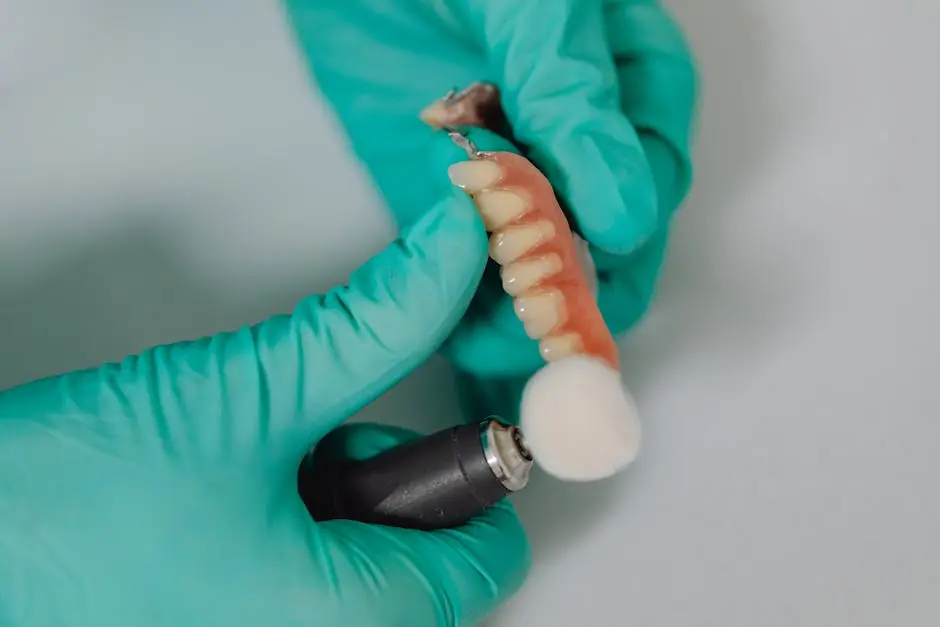
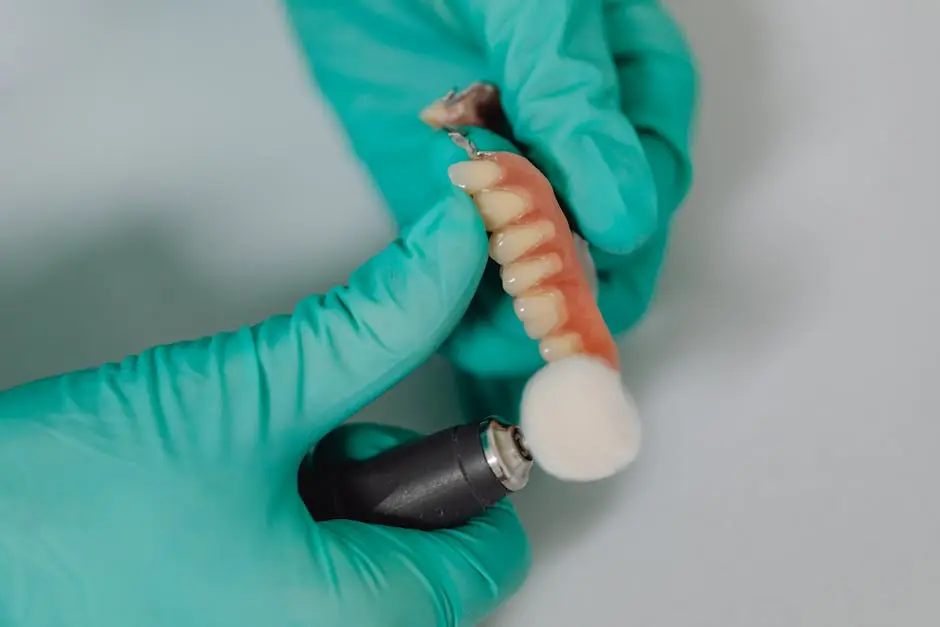
Dentures are removable dental appliances designed to replace missing teeth. While they restore function and appearance, they can affect how you chew and eat.
Chewing becomes more challenging when wearing dentures because they do not function exactly like natural teeth. This can result in discomfort or slippage, especially when chewing tough, hard foods. The pressure placed on gums may also cause irritation and soreness.
The right foods to eat with dentures play a significant role in making the denture experience more comfortable. Choosing softer foods minimizes strain on the gums, reduces discomfort, and can prevent irritation caused by the dentures.
Proper food choices also support the dentures’ longevity by preventing them from becoming damaged by hard or sticky foods. Diet influences overall oral health, helping denture wearers maintain a healthy mouth and a high quality of life. Incorporating easy-to-chew, nutritious foods can promote good digestion and enhance your well-being.
Why Soft Foods Matter for Denture Wearers?
Soft foods are essential for denture wearers because they reduce strain on both the gums and the dentures. Eating hard, tough, or chewy foods requires more effort to chew, which can lead to pain or irritation in the gums.
Additionally, hard foods may cause dentures to slip or shift, resulting in discomfort or embarrassment. Soft foods, on the other hand, provide a smoother, more comfortable eating experience, allowing for better enjoyment of meals.
Choosing soft foods to eat with dentures also helps maintain a balanced diet without compromising essential nutrients. Even though soft foods are easier to chew, they can still provide all the vitamins, minerals, and proteins your body needs.
A diet full of soft, nutritious options ensures you maintain good nutrition while avoiding foods that may harm your dentures or cause discomfort. Incorporating both easy-to-eat and healthy foods promotes better oral and overall health, making meal times more enjoyable and less stressful for denture wearers.
Key Nutrients Denture Wearers Need
It’s important to focus on specific nutrients that support overall well-being and gum health for optimal health. Denture wearers should pay close attention to the following nutrients:
- Proteins: Essential for muscle repair, immune health, and maintaining tissue. Soft proteins like eggs, fish, and poultry are easy to eat and provide necessary amino acids.
- Vitamins and Minerals: Vitamins A, C, and D are vital for gum health and infection prevention. Foods rich in these nutrients include soft fruits like oranges and strawberries, as well as cooked vegetables such as carrots and sweet potatoes.
- Calcium is important for bone health, especially for maintaining jawbone strength. Soft dairy products like yogurt, cheese, and smoothies are excellent sources of calcium.
- Fiber: Aids in digestion and maintaining bowel health. Soft fruits, like bananas, and vegetables, such as cooked spinach, provide fiber without hard chewing.
- Healthy Fats: Omega-3s, found in avocados and certain fish, help reduce inflammation and promote overall health. These are easy to consume and gentle on dentures.
Focusing on these nutrients ensures that denture wearers maintain their health while enjoying meals without discomfort.
Best Soft Foods to Eat with Dentures
- Fruits: Soft fruits like bananas, avocados, and applesauce are easy to eat and contain vitamins. Fresh fruit is often easier to consume when peeled or mashed. Bananas, for example, provide potassium, which is important for heart health and muscle function. Applesauce is a great alternative to raw apples and can be paired with other soft foods.
- Vegetables: Well-cooked vegetables are ideal for denture wearers. Soft, mashed vegetables like sweet potatoes, carrots, peas, or squash are nutrient-dense and easy to chew. Pureeing or mashing vegetables can also add variety and flavor to meals while still being easy on the gums.
- Proteins: Soft proteins are essential for a healthy diet. Tender chicken, eggs, fish, tofu, and beans are good examples. Scrambled eggs or baked fish are both easy to chew and are packed with protein to support muscle and tissue repair. Tofu and beans can be blended into soups or pureed for a softer consistency.
- Grains: Soft grains like oatmeal, rice, and pasta can be a great addition to meals. They provide carbohydrates for energy and can be easily chewed when prepared correctly. Soft, creamy oatmeal or rice pudding makes for a delicious and filling meal, while pasta dishes with a mild sauce are easy to enjoy without discomfort.
- Dairy: Dairy products are vital for bone health and are easy to consume. Soft cheeses, yogurt, and smoothies are excellent sources of calcium and vitamins. Yogurt with soft fruits or a smoothie with protein powder can make for a satisfying snack or meal. Soft cheeses like cream cheese or ricotta can be added to dishes for a creamy texture.
These soft foods allow denture wearers to enjoy various flavors and textures without compromising comfort or nutrition.
Foods to Avoid with Dentures
Certain foods should be avoided to protect both dentures and oral health. These include:
- Hard foods: Foods like nuts, hard candies, and raw vegetables can damage dentures or cause them to slip out of place. Chewing hard foods puts unnecessary pressure on the dentures and may even lead to cracks or chips.
- Sticky foods: Caramel, toffee, and chewing gum are notorious for sticking to dentures. This can cause discomfort and may even pull the dentures out of place. Sticky foods can also be difficult to clean off dentures, leading to hygiene issues.
- Chewy foods: Foods like bagels, tough steaks, or chewy breads can be difficult to eat with dentures, causing discomfort or potential slippage. These foods require significant chewing power, which can be hard with dentures.
- Foods that stain: Coffee, wine, and certain sauces can stain dentures, making them look discolored over time. While it’s important to enjoy a variety of foods, denture wearers should be cautious of items that could stain or damage their dentures.
Avoiding these foods helps maintain denture function and comfort while ensuring oral health.
Meal Ideas for Denture Wearers
Here are a few meal ideas for denture wearers that incorporate soft foods:
- Scrambled Eggs with Avocado: Scrambled eggs are soft and easy to chew. Pair them with mashed avocado for a creamy, nutrient-dense meal.
- Mashed Potatoes with Baked Fish: Tender fish like salmon or tilapia is easy to eat. Pair with mashed potatoes or sweet potatoes for a balanced meal.
- Soup: Soft, pureed soups such as tomato, butternut squash, or lentil soup provide warmth and comfort while being easy to swallow.
- Smoothies: A smoothie made with yogurt, soft fruits like berries or bananas, and a handful of spinach provides vitamins, calcium, and protein.
- Oatmeal with Soft Fruit: A warm bowl of oatmeal with mashed bananas or applesauce makes for a satisfying breakfast.
These easy-to-prepare meals are both nutritious and gentle on dentures.
Tips for Eating with Dentures
- Chew slowly: Take smaller bites and chew slowly to avoid discomfort and prevent dentures from shifting.
- Use denture adhesive: If needed, use a denture adhesive to secure your dentures in place and prevent slippage.
- Hydrate well: Drink plenty of water throughout the day to stay hydrated and prevent dry mouth.
- Clean your dentures: Brush dentures regularly after meals to remove food particles and prevent buildup.
- Avoid overloading your mouth: Limit the number of bites at once to avoid putting too much pressure on your dentures.
Following these tips, you can eat more comfortably and protect your dentures from wear.
Consulting with Your Dentist
If you’re struggling with your diet or dentures, consulting with your dentist is a good idea. A dentist can help adjust your dentures for a better fit, ensuring that they don’t slip or cause discomfort.
Additionally, a dentist or dietitian can recommend the right foods to eat with dentures or supplements to ensure you get the nutrients you need. A personalized diet plan can also help you maintain oral health while eating comfortably. Regular check-ups will ensure that your dentures continue to fit well and serve you for years to come.
Eating with dentures doesn’t have to be difficult. You can maintain good oral health and enjoy meals comfortably by focusing on soft, nutrient-rich foods. Experiment with different soft food options to find what works best for you. Taking the time to choose appropriate foods will improve your overall quality of life and ensure that you remain healthy and happy with your dentures.